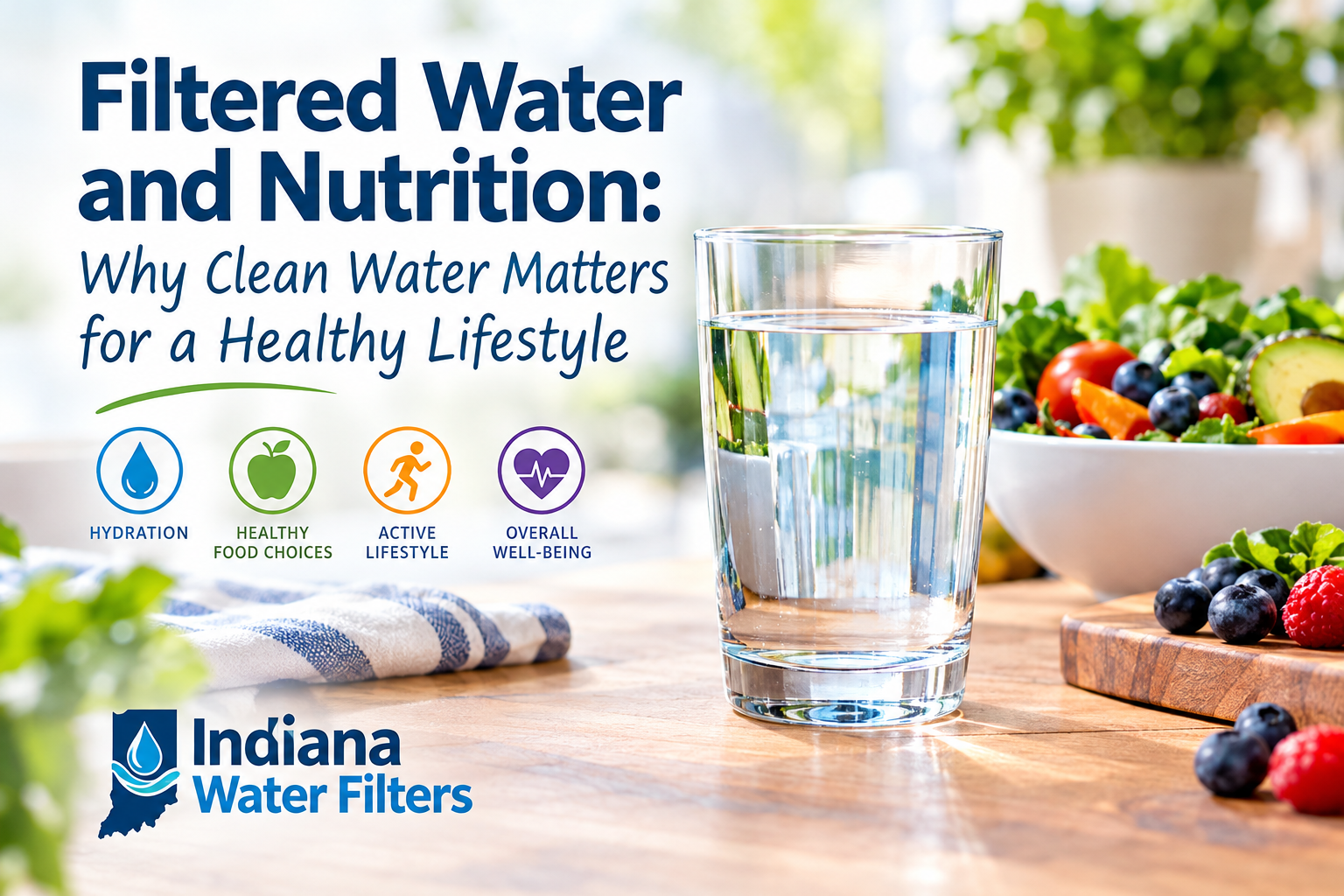
Filtered Water and Nutrition: More Than Just Staying Hydrated
When we think about nutrition, we usually think about the foods on our plate—fruits and vegetables, protein, whole grains, healthy fats and other nutrient-rich foods.
But there is another essential part of a healthy lifestyle that often gets overlooked: water.
Water doesn’t provide the calories, protein, vitamins or minerals that we get from food. However, staying adequately hydrated is essential for normal body function. And because water is something we consume every day, the quality of the water we choose to drink deserves some attention.
That’s where filtered water can fit into a healthy lifestyle.
Why Water Is an Important Part of Nutrition
Water is essential for the body. It helps regulate temperature, lubricate joints, and support normal physiological processes.
Hydration is also closely connected to everyday eating habits.
When you’re making an effort to eat better, choosing water instead of sugary beverages can be a simple way to support your overall goals.
Think about the difference between:
- A glass of water
- A sugary soft drink
- A sweetened coffee beverage
- An energy drink
- A flavored beverage
Water doesn’t add sugar or calories to your diet.
For many people, making water the primary beverage throughout the day is one of the simplest healthy habits they can establish.
What Does Filtering Water Actually Do?
It’s important to understand what a water filter does—and what it doesn’t do.
A properly certified water filtration system can be designed to reduce specific contaminants or substances in drinking water. The effectiveness depends on the particular filtration technology and the contaminants it has been tested and certified to reduce.
That means filtered water isn’t automatically “healthier” simply because it has been filtered.
Instead, the benefit comes from choosing a filtration system that is appropriate for your water and the contaminants you are concerned about.
This is one reason it’s important to look beyond marketing claims and understand a filter’s actual certifications and performance data.
Does Filtering Remove Healthy Minerals?
This is one of the most common questions about filtered water.
The answer depends on the type of filtration system.
Some filtration technologies are designed to remove a broad range of dissolved substances, while others primarily target particular contaminants.
For example, reverse osmosis (RO) can remove many dissolved minerals along with contaminants. Other filtration technologies are designed differently.
This matters because the phrase “filtered water” describes many different technologies.
A carbon-based drinking-water filter, a reverse-osmosis system, a pitcher filter and a whole-house filtration system may have very different capabilities.
Filtering doesn’t automatically mean removing everything from your water.
Your Food Is the Main Source of Nutrition
It’s also important not to overstate the nutritional contribution of drinking water.
If you’re concerned about getting enough calcium, magnesium, potassium or other nutrients, your primary focus should be your overall diet—not trying to get those nutrients from drinking water.
Foods such as:
- Leafy green vegetables
- Dairy products
- Beans and legumes
- Nuts and seeds
- Fruits
- Vegetables
- Whole grains
- Fish and lean proteins
can contribute important nutrients to your diet.
Water’s primary nutritional role is hydration, rather than providing calories or macronutrients.
Filtered Water Can Make Healthy Hydration Easier
There’s another practical side to the filtered-water conversation: taste.
If your tap water has an unpleasant taste or odor, you may be less likely to drink it.
A filtration system that improves the taste and odor of your water may make it easier to choose water throughout the day.
That can be particularly helpful for people trying to reduce their consumption of sugary drinks.
Instead of reaching for another bottle of soda, flavored drink or sweetened beverage, having good-tasting filtered water available at home can make the healthier choice convenient.
Water and Healthy Eating Go Hand in Hand
Good nutrition isn’t about one food or one product.
It’s about the habits you practice consistently.
Drinking enough water, eating a varied diet, getting adequate physical activity and limiting excess added sugars are all pieces of the bigger picture.
Filtered water can be one small part of that picture.
A simple glass of filtered water alongside a nutritious meal can be a better everyday choice than reaching for a beverage loaded with added sugar.
Don’t Assume “Bottled” Means Better
Many people automatically associate bottled water with purity or better quality.
But bottled water isn’t necessarily superior to properly treated tap water.
Bottled water can also mean:
- More plastic waste
- More packaging
- Transportation and shipping
- Additional expense
- Less control over your household water
Installing a drinking-water filtration system can give you a convenient source of water at home while reducing your reliance on single-use bottled water.
For families who drink a lot of water, that can add up over time.
What Should You Look for in a Water Filter?
If you’re considering filtration for your home, don’t simply shop for the word “filtered.”
Instead, look at what the system is actually designed and certified to do.
Consider:
1. What is in your water?
Start with your local water quality report or, when appropriate, have your water tested.
2. What contaminants concern you?
Different filtration technologies address different contaminants.
3. What certifications does the system have?
Independent certifications can help you evaluate whether a product has been tested against specific performance standards.
4. How much water does your household use?
A small countertop system may be adequate for one person, while a larger household may have different needs.
5. How easy is it to maintain?
A filter only works as intended when it is properly maintained and replaced according to the manufacturer’s instructions.
Filtered Water: A Simple Part of a Healthy Lifestyle
There isn’t a magic water filter that can replace a healthy diet.
And filtered water shouldn’t be marketed as a source of nutrition in the same way that fruits, vegetables, proteins and whole grains are.
But water is essential—and the water you drink every day is worth paying attention to.
Choosing a filtration system that is appropriate for your household can help you feel more confident about the water you’re drinking, while making good-tasting water readily available.
For Indiana families, that can be a practical addition to an overall healthy lifestyle.
Ready to Take a Closer Look at Your Drinking Water?
At Indiana Water Filters, I help homeowners learn more about their water filtration options and find a system that fits their household needs.
If you’re wondering what type of filtration makes sense for your home, let’s talk about your water and what you’re looking to accomplish.
Explore Multipure Water Filtration Options
Better water starts with knowing what’s in the water you’re drinking.
Need more water filter or contaminant information.
- Why a Multipure Water Filter Is the Last Filter You Need to Buy
- Multipure’s NSF Certifications: Real Protection for Better Water
- Bottled Water vs. Tap Water: What You Should Know
- PFAS and Drinking Water in Indiana
- TDS Water Meter Facts: What You Should Really Know
- Which Water Filtration System Is Right for
- Can Filtered Water Provide the Minerals Your Body Needs?