The short answer: No. Even a high-quality home water filtration system cannot automatically make water safe to drink during a boil water advisory.
When your local water utility issues a boil water order, it’s important to understand what the warning means, what contaminants may be present, and why simply running your tap water through a water filter may not be enough.
Many homeowners invest in quality drinking water filtration systems to reduce contaminants such as lead, PFAS (forever chemicals), chlorine, and other unwanted substances. But there’s an important distinction between filtering everyday drinking water and protecting your household during a water emergency.
Let’s look at what a boil water advisory means, what filtration can and cannot do, and how to protect your family when your community’s water supply is compromised.
What Is a Boil Water Advisory?
A boil water advisory is issued when a water utility or public health agency believes that drinking water may contain harmful microorganisms.
Common reasons include:
- Water main breaks or repairs.
- Loss of water pressure in the distribution system.
- Equipment failures at a water treatment plant.
- Flooding or other natural disasters.
- Possible bacterial contamination.
- Problems with disinfection or water treatment.
When water pressure drops or a water system experiences a disruption, harmful microorganisms can potentially enter the drinking water supply.
These microorganisms may include:
- E. coli: A type of bacteria that can cause gastrointestinal illness.
- Salmonella: Bacteria that can cause foodborne illness.
- Giardia: A parasite that can cause intestinal infections.
- Cryptosporidium: A parasite that can cause serious gastrointestinal illness.
- Viruses: Certain viruses can spread through contaminated drinking water.
The concern isn’t necessarily that your water looks dirty. Water can look perfectly clear and still contain disease-causing microorganisms.
According to the CDC’s drinking water advisory guidance , a boil water advisory means you should use commercially bottled water or properly boiled tap water.
Why Can’t You Just Use Your Home Water Filter?
This is where many homeowners become confused.
A water filtration system can remove a variety of unwanted substances, but not every filter is designed to remove bacteria, viruses, or parasites.
Most standard household carbon filters are designed to reduce contaminants such as:
- Chlorine and unpleasant tastes and odors.
- Lead and certain heavy metals, depending on certification.
- Certain chemical contaminants.
- Some PFAS compounds, depending on the specific filter and its certification.
- Other substances identified in the manufacturer’s performance data.
However, removing chemical contaminants is very different from disinfecting water.
A carbon-block filter may provide excellent everyday drinking water filtration without being designed or certified to protect against microorganisms during a water emergency.
The CDC specifically advises homeowners to boil water even if it has passed through a household water filter.
A filtered glass of water is not automatically a safe glass of water during a boil water advisory.
What About NSF-Certified Water Filters?
NSF certification is important when choosing a drinking water filtration system. However, it’s important to understand what the different certifications actually mean.
Not all NSF certifications address the same contaminants.
| Certification | What it addresses |
|---|---|
| NSF/ANSI 42 | Aesthetic effects, such as chlorine taste and odor |
| NSF/ANSI 53 | Reduction of specified contaminants with health effects |
| NSF/ANSI 58 | Reverse osmosis system performance |
| NSF/ANSI 244 | Intermittent microbiological contamination of otherwise safe public drinking water |
| NSF P231 | Microbiological water purifier performance |
One certification worth understanding is NSF/ANSI 244.
It addresses intermittent microbiological contamination of otherwise safe drinking water. It is not a blanket guarantee that a filter makes water safe during every boil water emergency.
NSF P231 is another important standard because it addresses microbiological water purifiers.
Always look at the actual certification and performance claims for the specific model you are considering. A manufacturer cannot claim protection against every contaminant simply because its product carries an NSF certification.
Does Boiling Water Remove Chemical Contaminants?
No. This is another important distinction.
Boiling water is effective at killing disease-causing microorganisms, but it does not remove most chemical contaminants.
In fact, boiling can concentrate certain contaminants as water evaporates.
For example, boiling does not reliably remove:
- PFAS (forever chemicals).
- Lead.
- Arsenic.
- Nitrates.
- Many industrial chemicals.
The EPA explains that boiling and emergency disinfection do not destroy contaminants such as heavy metals, salts, and most chemicals.
This is why it’s important to understand exactly why your water utility issued its warning.
A boil water advisory and a do not drink advisory are not the same thing.
Know the difference
Boil Water Advisory
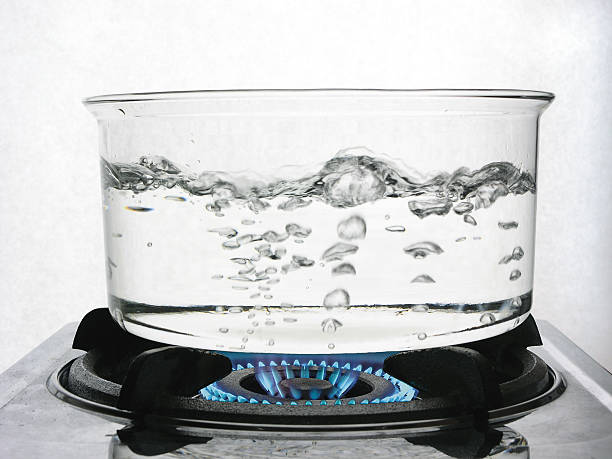
Boil tap water for one minute at a rolling boil before drinking or using it for food preparation, unless local officials give different instructions.
Do Not Drink Advisory
Do not assume boiling or filtering will make the water safe. Use commercially bottled water or another approved source and follow local instructions.
Avoid using the water for any purpose specified by authorities. Even skin contact may be unsafe.
What Should You Do During a Boil Water Order?
If your community issues a boil water advisory, follow these precautions until local officials announce that the water is safe again.
1. Use bottled water or boil your tap water.
If using tap water, bring it to a full rolling boil for at least one minute. Allow it to cool before using it.
2. Use safe water for more than just drinking.
Use bottled or properly boiled water for:
- Drinking and making beverages.
- Brushing your teeth.
- Preparing food.
- Washing fruits and vegetables.
- Making ice.
- Preparing baby formula.
- Giving drinking water to pets.
3. Don’t forget your refrigerator and ice maker.
Do not use ice made from potentially contaminated tap water. Follow your water utility’s instructions for flushing ice makers and refrigerator water dispensers.
4. Follow instructions after the advisory is lifted.
Your water utility may recommend flushing household plumbing and replacing refrigerator or drinking water filter cartridges. Follow the utility’s instructions and your filter manufacturer’s recommendations.
The CDC also warns that household filters can collect microorganisms during an advisory.
Can a Multipure Water Filter Protect Your Family During a Boil Water Advisory?
At Indiana Water Filters, I believe having a quality drinking water filtration system is an important part of protecting your household’s everyday drinking water.
Multipure uses solid carbon-block filtration technology designed to reduce a wide range of specified contaminants, depending on the system and its certifications.
This is particularly important for homeowners concerned about contaminants such as lead, chlorine, and certain PFAS compounds.
But I want to make one thing clear:
I would never recommend relying on a Multipure carbon-block filter alone to make potentially contaminated water safe during a boil water advisory.
Even a high-quality filtration system has limitations.
A Multipure system should be viewed as part of your everyday drinking water protection strategy, not a replacement for emergency water safety instructions.
If you are considering a Multipure system, review the specific model’s performance data and NSF certifications to understand exactly what it is designed to reduce.
Explore Multipure Water Filtration
Find a system designed to improve your home’s everyday drinking water.
Indiana Water Filters
Explore Multipure systems and special offers
Why Every Household Should Have an Emergency Water Supply
Water emergencies can happen unexpectedly. A broken water main, severe storm, flooding, or treatment plant problem can leave an entire community without safe drinking water.
Having a water filtration system is a good investment, but keeping emergency drinking water on hand is equally important.
I recommend keeping:
- Several days’ worth of bottled drinking water.
- Clean, food-grade water storage containers.
- A supply of water for pets.
- An emergency water supply for cooking and food preparation.
- Information about your local water utility and emergency alerts.
A good water filter is part of a smart household water plan. Emergency preparedness means knowing when filtration is appropriate and when you need a different solution.
Frequently Asked Questions
Can I drink water from my refrigerator filter during a boil water advisory?
No. Most refrigerator filters are not designed to remove disease-causing microorganisms. Use bottled or properly boiled water instead.
Does boiling filtered water make it safer?
Yes. Boiling properly filtered water can kill disease-causing microorganisms. However, filtering first does not eliminate the need to boil water during an advisory.
Can reverse osmosis make water safe during a boil water order?
Some reverse osmosis systems can reduce bacteria, viruses, and parasites, but capabilities vary. Unless local authorities specifically approve your treatment method, use bottled or boiled water.
Will boiling water remove PFAS?
No. Boiling does not reliably remove PFAS. Some PFAS compounds may become more concentrated as water evaporates.
Should I change my water filter after a boil water advisory?
You may need to replace the cartridge or clean parts of your system according to manufacturer instructions. Follow your local water utility’s guidance, too.
The Bottom Line: Know What Your Water Filter Can and Cannot Do
A quality water filtration system can make a significant difference in everyday drinking water quality. But no homeowner should assume that filtered water is automatically safe during a water emergency.
Boil water advisories exist for a reason. They are warnings that potentially harmful microorganisms may be present in the water supply.
Even if you own an expensive, high-quality filtration system, follow your local health department’s instructions.
At Indiana Water Filters, I believe informed homeowners make better decisions about their drinking water. Understanding your water, choosing the right filtration system, and being prepared for emergencies are all important steps toward protecting your household.
Don’t wait until there’s a water emergency to think about what’s coming out of your tap.
Visit Indiana Water Filters to learn more about drinking water filtration and finding the right Multipure system for your home.