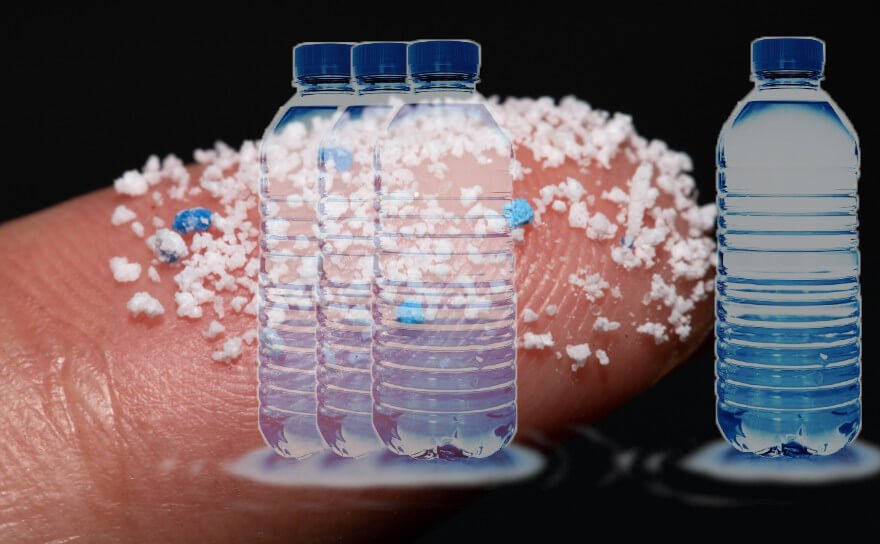

While bottled water may seem like a convenient and clean choice, the truth behind the label tells a very different story. Many people assume bottled water is safer than tap, but studies have shown that nearly 45% of bottled water is actually just filtered tap water — sold back to consumers at hundreds of times the price.
One major concern is plastic. Most bottled water comes in single-use plastic bottles made from polyethylene terephthalate (PET). When exposed to heat — like being left in a hot car — these bottles can leach harmful chemicals such as antimony and BPA into the water. These toxins have been linked to hormonal disruptions, cancer, and other serious health issues.
Beyond personal health, the environmental impact is staggering. Over 60 million plastic bottles are thrown away every day in the U.S. alone, with many ending up in oceans and landfills where they take hundreds of years to decompose. The production and transportation of bottled water also require vast amounts of energy and fossil fuels, contributing to greenhouse gas emissions and climate change.
Additionally, bottled water is poorly regulated. While municipal tap water is subject to strict testing and public reporting under the EPA, bottled water is regulated by the FDA with far fewer requirements. This means bottled water can legally contain more contaminants than what comes out of your tap.
Choosing a reusable bottle and filtering your tap water at home is a safer, more sustainable solution. Not only does it protect your health and the planet, but it also saves money in the long run. The next time you reach for that plastic bottle, think twice — your body and the Earth will thank you.