
How Indiana’s Evolving Pollution Standards Will Impact Your Tap
Indiana’s commitment to protecting its water resources is constantly evolving. Recent updates to the state’s water pollution standards are poised to significantly impact the quality of our rivers, lakes, and – ultimately – the water in our taps. These changes aren’t just about regulatory adjustments; they represent a proactive step toward safeguarding public health and preserving Indiana’s valuable natural environment.
What’s Changing? A Look at Key Updates
Indiana’s Department of Environmental Management (IDEM) regularly reviews and updates its water pollution standards to reflect the latest scientific understanding of contaminants and emerging threats. Recent changes focus on several key areas:
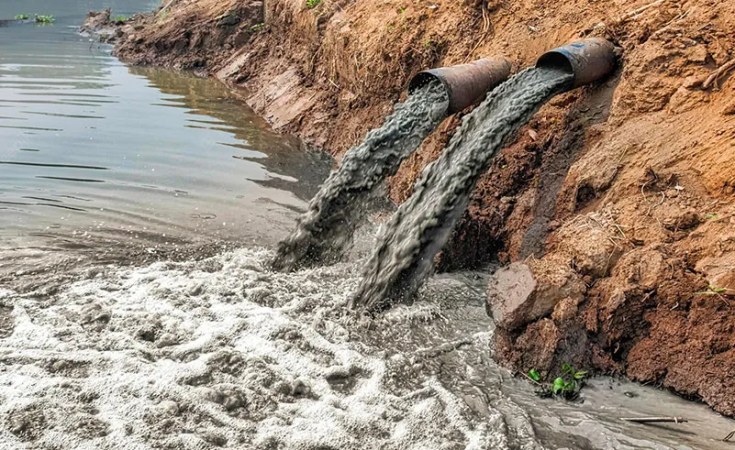
- Enhanced PFAS Regulations: Perhaps the most significant update is IDEM’s strengthening of regulations around PFAS (per- and polyfluoroalkyl substances), often called “forever chemicals.” These persistent pollutants are a growing concern, showing up in our water sources from industrial runoff to firefighting foam. The new standards aim to limit PFAS concentrations in drinking water sources and wastewater discharges.
- Improved Monitoring & Reporting: IDEM is enhancing its monitoring programs and reporting requirements for various pollutants. This will provide more accurate data on water quality trends across the state, allowing for quicker identification of problem areas and targeted interventions.
- Increased Emphasis on Nutrient Pollution: Nutrients like nitrogen and phosphorus from agricultural runoff and wastewater discharge can cause harmful algal blooms in lakes and rivers. The updated standards include stricter limits on these nutrients to protect aquatic ecosystems and recreational water uses.
- Enhanced Wastewater Treatment Requirements: IDEM is updating requirements for wastewater treatment plants, requiring them to implement more advanced technologies to remove pollutants before discharging water back into the environment.
What Does This Mean for You? Cleaner Water on Tap
These changes in Indiana’s water pollution standards have direct implications for you and your family:
- Reduced PFAS Exposure: The stricter PFAS regulations will lead to lower levels of these chemicals in drinking water sources, potentially reducing exposure risks.
- Healthier Ecosystems: By addressing nutrient pollution, the new standards help protect our lakes and rivers from harmful algal blooms, making them safer for swimming, fishing, and recreation.
- More Reliable Water Quality Data: Enhanced monitoring and reporting will provide more transparency about water quality conditions in your community.
- Long-Term Protection: These updates are a proactive investment in the long-term health of Indiana’s water resources, ensuring cleaner water for future generations.
Where to Find More Information
Stay informed! Here are valuable resources for learning more about Indiana’s evolving water pollution standards:
- Indiana Department of Environmental Management (IDEM): https://www.in.gov/idem/ – The official source for information on regulations, monitoring data, and public notices.
- EPA (Environmental Protection Agency) – PFAS: https://www.epa.gov/pfas – Provides comprehensive information about PFAS contamination and health risks.
- Local News Outlets: Follow local news sources for updates on water quality issues in your community.
These changes represent a significant step forward in protecting Indiana’s precious water resources. By staying informed and supporting responsible environmental practices, we can all contribute to ensuring cleaner, safer water for everyone.
Disclaimer: This blog post is for informational purposes only and does not constitute legal advice. Consult with IDEM or a qualified environmental professional for specific details on the updated regulations.