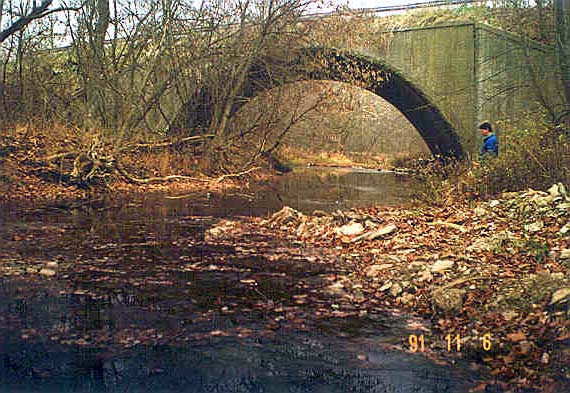

Case Study A: Hogan Creek Watershed (Indiana) — Restoring Aquatic Life Use
What was the problem (before):
- Streams in the Hogan Creek watershed were listed on Indiana’s CWA Section 303(d) impaired waters list starting in 2002 for several issues: elevated E. coli, impaired biotic communities (i.e. poor aquatic life), and low dissolved oxygen (DO). (Indiana Government)
- Specifically, Little Hogan Creek and South Hogan Creek weren’t meeting biological criteria for aquatic life. (Indiana Government)
Actions / Interventions:
- The Hogan Creek Watershed Project (HCWP) was developed in 2005, creating a Watershed Management Plan (WMP). Best Management Practices (BMPs) were applied over many years. (Indiana Government)
- Includes education/outreach, landowner involvement, addressing sources of bacterial and nutrient pollution, etc. (Indiana Government)
After / measurable improvements:
- By 2022, monitoring data showed that biotic community impairments in Little Hogan and South Hogan Creeks had been removed — meaning those streams are now meeting criteria for aquatic life use. (Indiana Government)
- Additional proposed delistings (for E. coli and DO impairments) for Goose Run and Little Hogan Creek in 2024 indicate that numeric water quality metrics for pathogens and oxygen have improved. (Indiana Government)
What “after” means in numbers:
- While I didn’t find exact numeric DO or E. coli values in the summary, the fact of delisting means those streams met the state’s numeric thresholds for those criteria. (Delisting = water quality meeting the standard over required sampling periods.)
- The improvement in biological indices (fish / macroinvertebrate community health) is a strong indicator that the physical and chemical environment improved enough to support better aquatic life.
Case Study B: Shatto Ditch Watershed (Indiana Watershed Initiative) — Impact of Cover Crops
What was the problem (before):
- Shatto Ditch, in an agricultural watershed, was exporting nitrogen (NO₃-N) and phosphorus (especially soluble reactive phosphorus, SRP) from fields to streams (via tile drains) at levels contributing to downstream water quality problems. There was insufficient winter ground cover, which allows nutrients to wash off fields. (Indiana watershed initiative)
Actions / Interventions:
- Expanded cover crop coverage to over 65% of the watershed. (Indiana watershed initiative)
- Combined monitoring of tile drains and stream discharge data over multiple years (2012-2014) to compare nutrient export before and after cover crop adoption. (Indiana watershed initiative)
After / measurable improvements:
- Found 30-40% reduction in annual export of NO₃-N (nitrate nitrogen) and SRP (soluble reactive phosphorus) from the watershed. (Indiana watershed initiative)
- These reductions are meaningful: less nitrogen and phosphorus entering streams means less risk of algal blooms, eutrophication, degraded aquatic habitat, etc.
Why These Case Studies Matter
These two together show several useful lessons:
- Regulatory + voluntary practices both work. Hogan Creek is more about meeting regulations / delisting streams; Shatto Ditch shows how practices like cover crops (not always strictly regulatory) deliver big gains.
- Changes take time. In both cases the improvements weren’t overnight; they took years of consistent monitoring, implementation, landowner buy-in.
- Multiple metrics matter: It’s not just about measuring bacteria or chemicals; it’s also about biological health (fish, macroinvertebrates), dissolved oxygen, habitat quality. Improvements in those show that water is not just “less bad” but moving toward full ecological function.
- Scale is important. Watershed-scale adoption of practices (65% cover crop coverage, many streams in Hogan Creek watershed) produces measurable landscape-level benefits.