It’s one of the most common camping questions—and one of the most misunderstood.
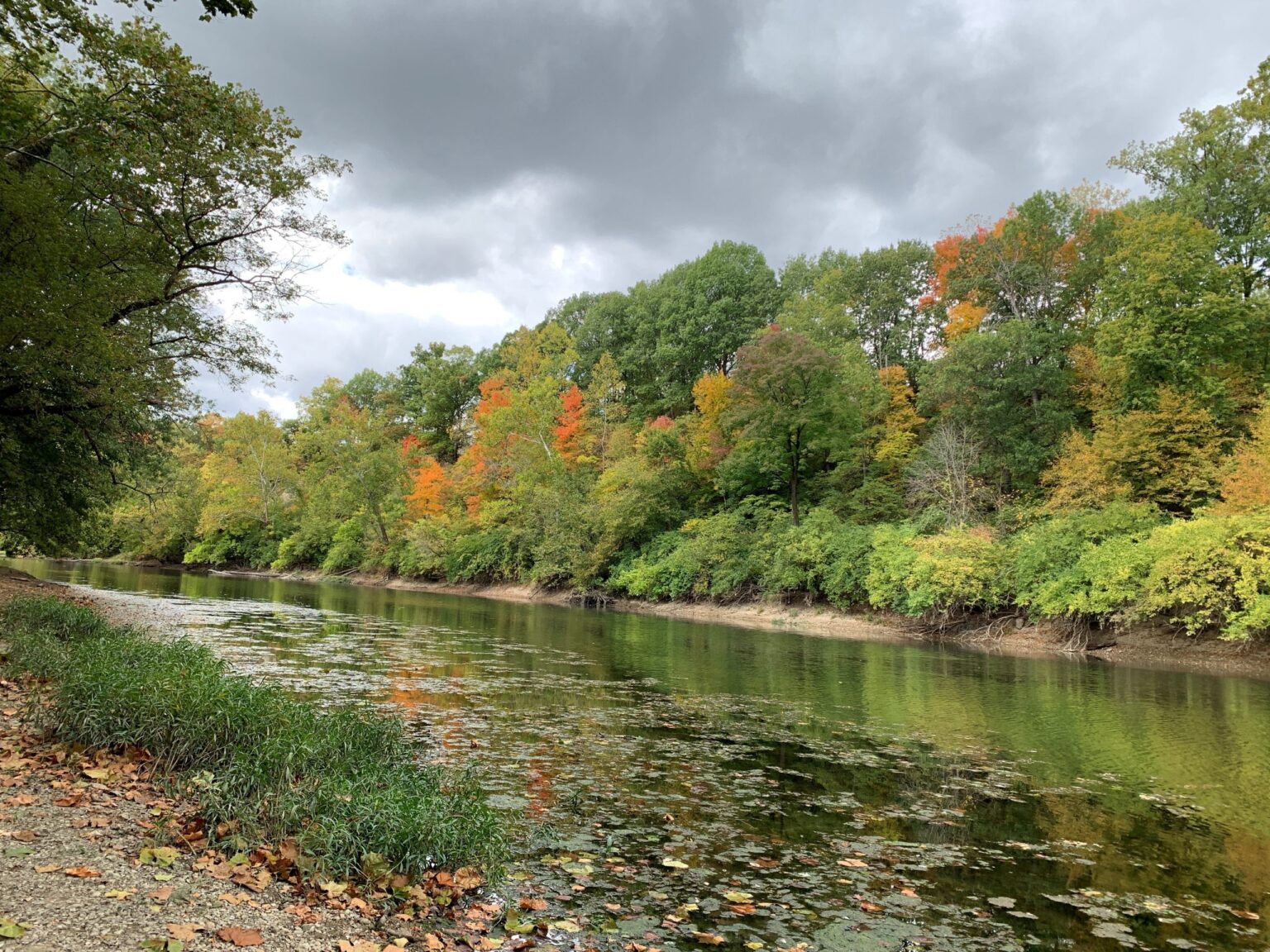
If you’re standing next to a clear lake or a flowing river, it’s tempting to assume the water is safe. After all, it looks fresh, natural, and untouched. But when it comes to drinking water, appearances can be dangerously misleading.
The honest answer? Sometimes—but only if it’s properly treated.
Why Clear Water Isn’t Always Safe
Natural water sources often contain contaminants you can’t see, smell, or taste.
Even pristine-looking water may include:
- Bacteria and microorganisms from wildlife
- Sediment and organic matter
- Agricultural or industrial runoff upstream
- Chemicals carried by rainfall and erosion
Water moves. What happens miles away can affect the water right in front of you.
The Myth of “Fast-Moving Water Is Safe”
You may have heard that flowing water is safer than still water. While moving water can reduce some risks, it does not eliminate them.
Rivers still carry:
- Microbial contaminants
- Chemical residues
- Fine particles that affect taste and clarity
Flow helps—but it doesn’t guarantee safety.
Is Boiling Enough?
Boiling is often recommended for camping water safety, but it has limitations.
What boiling does well:
- Kills many bacteria and microorganisms
What boiling does not do:
- Remove chemicals or heavy metals
- Improve taste or odor
- Remove sediment
- Address chlorine or fuel-based contamination
Boiling also requires time, fuel, and planning—none of which are convenient during a long day outdoors.
Why Many Portable Filters Fall Short
There are dozens of camping water filters on the market, and many are designed for short-term survival rather than ongoing use.
Common issues include:
- Limited contaminant reduction
- Poor taste improvement
- Slow filtration rates
- Fragile construction
Some filters work well in emergencies but aren’t ideal for cooking, coffee, or extended trips.
What Proper Camping Water Treatment Looks Like
A reliable camping water system should:
- Reduce a wide range of contaminants
- Improve taste and odor
- Handle daily use without constant maintenance
- Be adaptable to different water sources
That’s where solid carbon block filtration, like what Multipure uses, makes a difference.
Instead of relying on thin filter media, solid carbon blocks provide consistent, proven filtration—whether you’re pulling from a campground hookup or a natural water source.
When Lake or River Water Can Be Used Safely
With the right setup, many campers safely use natural water sources every day.
The key is proper filtration, not guesswork.
- For RVs, cabins, or basecamp setups, systems like the Multipure AquaMini provide dependable filtration for cooking and drinking.
- For more rugged or off-grid conditions, the Multipure WET System is designed to handle untreated water sources directly.
The right system depends on how and where you camp—not on marketing claims.
The Bottom Line for Campers
Yes, lake and river water can be used—but only when treated correctly. Skipping that step or relying on assumptions can turn a great trip into a miserable one fast.
Clean water isn’t about fear. It’s about preparation.
In the next post, we’ll look at how the Multipure AquaMini fits into camping and RV life, including who it’s best for and when it makes the most sense.
Up Next:
Multipure AquaMini for Camping & RV Life: What You Need to Know