TDS Water Meter Facts (What You Should Really Know)
1. TDS Meters Don’t Measure “Purity” — Only Conductivity
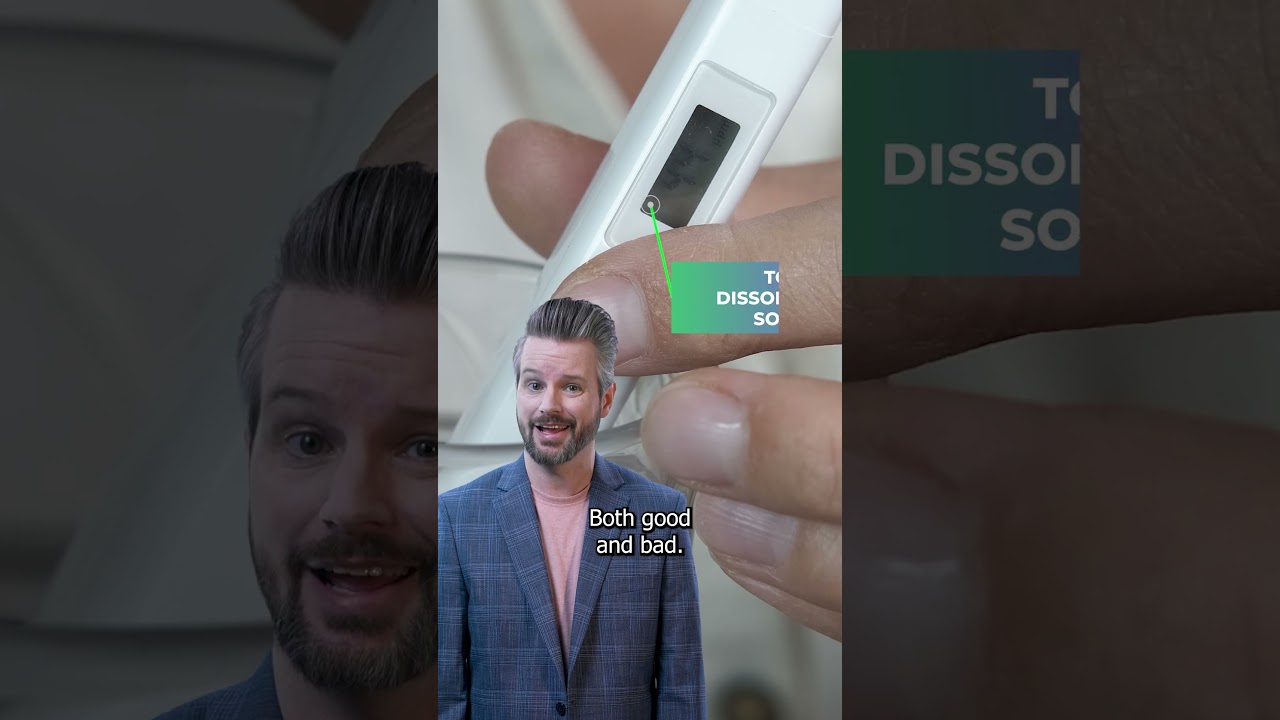
A TDS meter measures electrical conductivity in water and converts it to a “parts per million” (ppm) estimate.
It does not measure actual toxins or contaminants.
It only detects dissolved ionic substances like:
- Calcium
- Magnesium
- Sodium
- Potassium
- Chloride
- Salts
This means TDS is not a full indicator of water safety.
2. TDS Meters Cannot Detect Most Health-Relevant Contaminants
TDS meters cannot detect:
- Pesticides
- PFAS (“forever chemicals”)
- VOCs
- Pharmaceuticals
- Microplastics
- Heavy metals in non-ionic form
- Chlorine or chloramines
- Lead bound to particles
- Disinfection byproducts
Many dangerous contaminants are molecular, not ionic, which means they produce no measurable TDS.
3. Low TDS ≠ Clean Water
A glass of distilled water (0 ppm) could be contaminated with:
- Pesticides
- PFAS
- Organic compounds
And a TDS meter wouldn’t detect them.
Conversely, water with higher TDS could simply contain healthy minerals like calcium and magnesium.
4. High TDS Often Means Hardness, Not Pollution
Common reasons for high TDS:
- Hard water minerals
- Water softener salt
- Naturally occurring minerals
- Benign dissolved solids
High TDS is often an aesthetic concern (taste or scale buildup), not a health hazard.
5. Water Softener Systems Often Increase TDS
Because they replace calcium/magnesium with sodium or potassium, softened water often reads higher TDS than before softening.
This confuses many homeowners who think the softener is “making water worse,” when it’s just converting hardness.
6. TDS Meters Are Not a Test for Filter Performance — Except RO Systems
TDS meters are frequently misused to judge filtration.
They only reliably track:
- Reverse osmosis performance
- Distillers
- Deionization systems
Carbon block filters (like Multipure), UV, sediment filters, catalytic carbon, and most other systems will not reduce TDS, even though they remove hundreds of contaminants.
7. Multipure and Other Carbon Block Filters Reduce Contaminants Without Lowering TDS
This is a key fact for customer education:
- Multipure removes VOCs, PFAS, DBPs, pesticides, pharmaceuticals, cysts, lead, etc.
- But it keeps beneficial minerals
- So TDS stays about the same
Consumers often mistakenly think no TDS change = no filtration — but the opposite is true.
8. TDS Is Mostly a Taste Indicator
General taste guidelines:
- 0–50 ppm – Very low mineral, tastes flat
- 50–150 ppm – Light, crisp (common bottled waters)
- 150–300 ppm – Normal municipal water
- 300+ ppm – Noticeably mineral-heavy
Taste preference varies, but again, taste ≠ safety.
9. The EPA Has No Health Standard for TDS
The EPA only provides a Secondary Maximum Contaminant Level (SMCL) of 500 ppm, which is a cosmetic guideline:
- Taste
- Odor
- Scaling
Not a health concern.
10. TDS Meters Are Useful — Within Their Limits
Good for:
- RO system performance
- Tracking salt in softened water
- Quick mineral content check
- Checking if water composition changed unexpectedly
- Aquariums and hydroponics
Not good for:
- Determining contamination
- Checking filter effectiveness (except RO)
- Evaluating municipal or well water safety