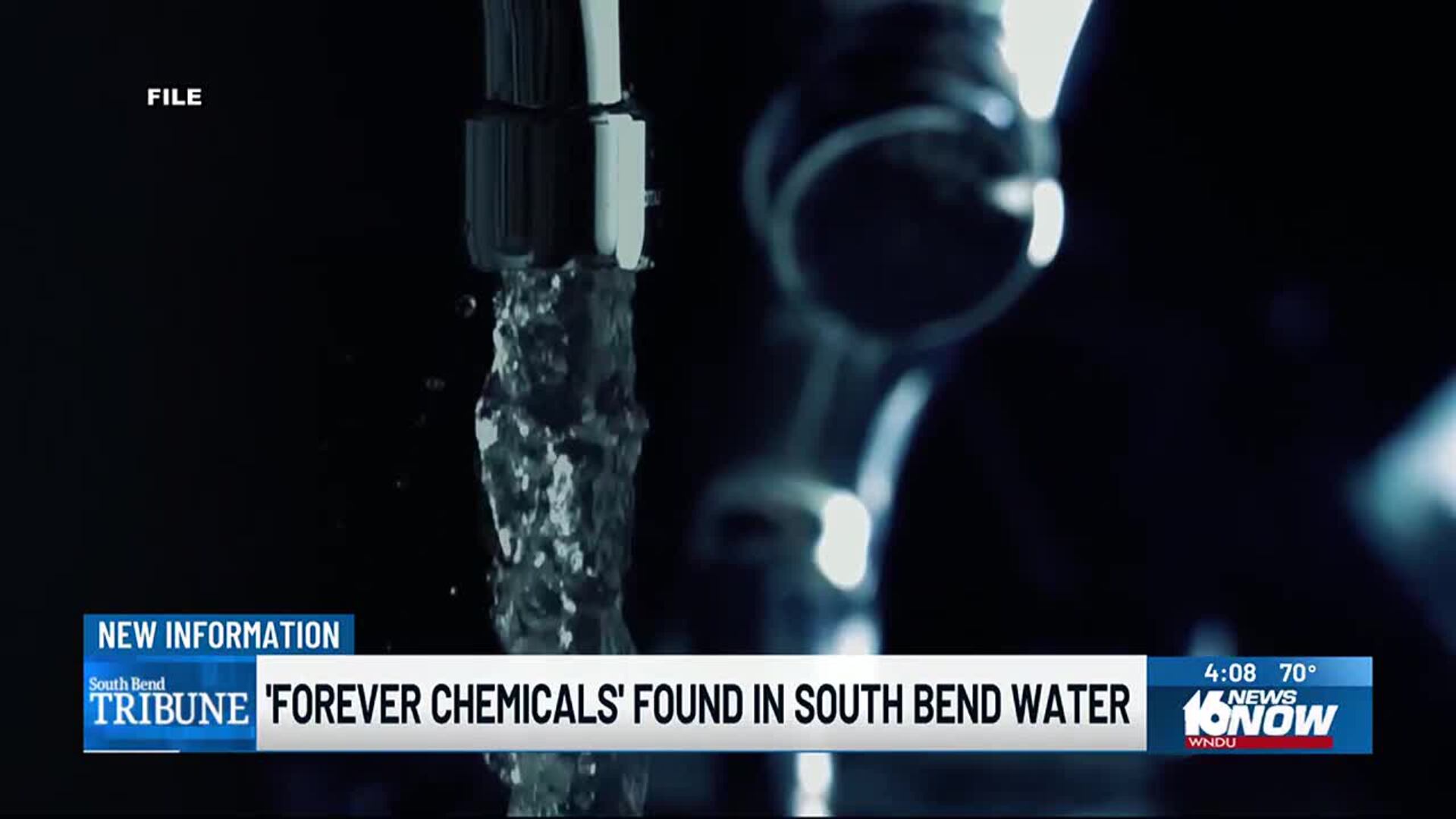

The Michiana region of Indiana and Southwestern Michigan, known for its vibrant communities and agricultural landscapes, is facing a growing concern: forever chemicals, also known as PFAS (per- and polyfluoroalkyl substances). These man-made chemicals are incredibly persistent in the environment and have been found in our water, soil, and even the air. Understanding what they are, where they’re coming from, and how to protect yourself is more important than ever.
What are Forever Chemicals?
PFAS are a group of thousands of synthetic chemicals used in countless products – from non-stick cookware and firefighting foam to food packaging and clothing. What makes them so concerning is their resistance to breaking down in the environment. They don’t “biodegrade,” hence the name “forever chemicals.” This means they can linger for decades, contaminating our water sources and accumulating in living organisms.
Where Are PFAS Found in Michiana?
While the exact extent of PFAS contamination varies across the region, several factors contribute to the concern:
- Industrial Sites: Historically, some industrial facilities in the area have used PFAS in their manufacturing processes. Legacy contamination from these sites can still pose a risk.
- Firefighting Foam (AFFF): AFFF containing PFAS has been widely used by fire departments for decades. Runoff from training exercises and firefighting incidents can contaminate soil and water.
- Agricultural Practices: Some agricultural products, like treated seeds and pesticides, may contain PFAS.
- Water Treatment Plants: PFAS contamination is increasingly being detected in municipal water supplies across the country, including some areas within Michiana.
Why Should We Be Concerned? Health Risks of PFAS Exposure
Exposure to PFAS has been linked to a range of health problems, including:
- Immune System Suppression: Weakening the body’s ability to fight infections.
- Increased Cholesterol Levels: Elevating risk for heart disease.
- Certain Cancers: Including kidney and testicular cancer.
- Developmental Effects: Potential harm to fetuses and young children.
What Can You Do to Protect Yourself?
While the situation is complex, here are some steps you can take:
- Stay Informed: Follow local news sources and government agencies like the EPA (Environmental Protection Agency) and the Indiana Department of Environmental Management for updates on PFAS testing in your area.
- Check Your Water: If you rely on a private well, have your water tested for PFAS.
- Consider a Water Filter: Look for filters specifically designed to remove PFAS. Activated carbon filters are a good starting point, but specialized filters may be more effective. (See resources below).
- Reduce Exposure: Limit your use of products containing PFAS whenever possible – choose alternatives like stainless steel cookware and avoid non-stick items.
Resources for Michiana Residents:
- EPA PFAS Information: https://www.epa.gov/pfas
- Indiana Department of Environmental Management (IDEM): https://www.in.gov/idem/
- Local Health Departments: Contact your local health department for information on water testing and resources in your community.
- Water Filter Reviews: Websites like Consumer Reports offer reviews of effective PFAS-removing filters.
The fight against PFAS contamination is ongoing, but by staying informed and taking proactive steps, we can all contribute to protecting our health and the environment in Michiana. Let’s work together for a future with cleaner water for everyone!
Disclaimer: This blog post is for informational purposes only and does not constitute medical advice. Always consult with a healthcare professional if you have concerns about your health.